
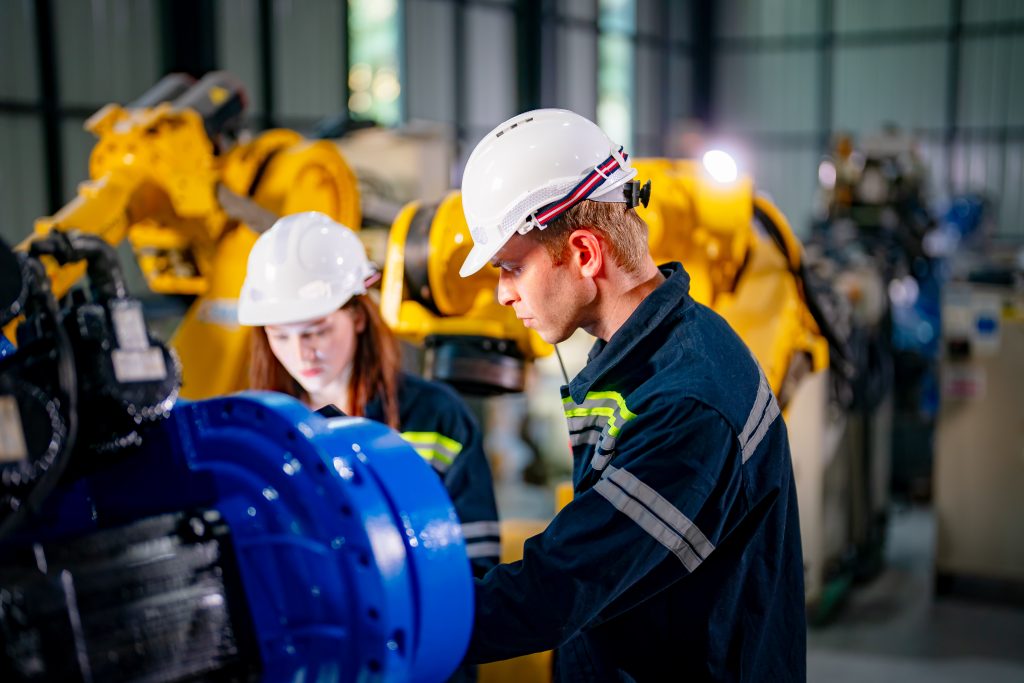
Purchasing industrial equipment is a crucial decision for any business. From replacing worn-out equipment to growing your business, the type of equipment you select can impact productivity, worker safety, productivity costs, and the long-term viability of your business. When it comes to investing, there’s more to it than price comparisons. Companies must have machinery that are reliable and can perform their day-to-day tasks.
Many know that it’s important to collaborate with established suppliers such as Tooltech when choosing these options. The selection of the right quality equipment from a competent supplier makes it possible for businesses not to make expensive errors and to invest in equipment that will serve their needs now and for the foreseeable future.
Determine the purpose of the task the equipment will be required to complete.
Before a business invest in any industrial equipment, it is essential that they first understand how the equipment is going to be used. No two workplaces are alike and what works for one location may not work for another.
Before purchasing the equipment, it is important to consider how often it will be used, what materials it will process and the environment it will be used in.
For instance, tools that will be used daily in an environment that requires heavy duty equipment, should be built to handle that type of use, as opposed to a tool designed for occasional use that may have different specifications. To match equipment to the real job to ensure that it is used effectively and for as long as possible.
Before buying a business, think about business needs; this will prevent unnecessary expenses later.
Quality is more important than the cheapest price.
When purchasing industrial equipment it is common to compare prices, but not necessarily the best approach to take. An inexpensive solution might need more maintenance, might not last as long, or it may not be able to deal with high workloads.
Good quality equipment tends to be constructed with higher grades of materials and engineering. It (often) works much better and is reliable even after years of regular use.
While better equipment might cost more, it can save the business from more frequent replacement, maintenance, and improve productivity.
The value must always be judged on a long term basis with reference to the purchase price.
Safety First: Always Prioritize Safety.
Areas where safety is critical, such as industrial equipment, are used. The selection of machinery that is suitable for use with appropriate safety features is important to minimise risks on the work site and to contribute to employee wellbeing.
Modern equipment may have protective shields, emergency stop controls, overload protection, better grip shapes to minimize accidents when in use.
It is also important that businesses train their staff before the new equipment is used. Even the most safe equipment needs proper usage in order to gain its maximum benefits.
Ongoing inspections and maintenance further enhance workplace safety, keeping equipment properly functioning.
Availability of maintenance and spare parts is of the essence.
All industrial equipment will need maintenance during its service life. First businesses need to think about the ease with which the equipment can be serviced and repaired when necessary and get replacement parts.
The equipment having reliable suppliers will be easy to maintain as the true spare parts and technical assistance will be available.
Without considering this, the potential for longer downtime should repairs be needed. Equipments and their aftersales support and servicing are important to businesses for obvious reasons.
Routine maintenance also optimises the performance of the equipment and prolongs its service life.
Use a supplier who can be relied upon.
Just as significant as the selection of the equipment, the selection of the right supplier is crucially important. A good supplier will have knowledge of various industries and will be able to suggest products that will work in particular applications instead of just offering the most costly product.
A reliable supplier will also offer great assistance both pre and post purchase. Product information, service support, warranty and technical expertise assist businesses in making informed long-term decisions.
Some companies still rely on the same supplier for many years because they know what to expect in terms of service and they are easier to buy equipment from.
Companies which create robust relationships with their suppliers are likely to get more advice when their equipment needs change.
Consider growth in the future.
Industrial equipment must not only satisfy present needs, but also help to facilitate future expansion of business. As businesses grow, workloads tend to grow and equipment requirements change.
A business that invests in equipment that will last can look forward to larger projects as they are not constantly having to replace the equipment. With trusted suppliers, it is easier to add to the equipment fleets if you need to up them.
Planning ahead can save a business unnecessary expenses, and keep things running more smoothly as demand increases.
Tooltech has been always supplying the industrial equipments, workshop tools, machinery and trusted brands for the businesses which are in various kinds of industry. Whether it’s professional guidance, reliable products, or continuous customer support, businesses have the tools they need to make informed purchases that will provide value over time.
Ultimately, industrial equipment investment isn’t just about acquiring equipment. It is all about selecting solutions that are reliable and promote productivity, workplace safety and business growth.